Caring for Cats With Chronic Kidney Disease
Have you noticed your cat is drinking more water than usual, making more trips to the litter box, or maybe they seem a little thinner lately? These subtle changes can be alarming, especially when you consider that chronic kidney disease is a very common diagnosis in older cats. Learning that your pet has a chronic condition can feel overwhelming, but a diagnosis is not a deadline. With a focus on specialized diets, essential hydration support, and regular veterinary check-ups, cats with kidney disease can often continue to enjoy many happy and comfortable years by your side.
At Just Cats Clinic, we specialize exclusively in feline health, allowing us to identify early, often-overlooked signs of disease and provide advanced, compassionate care tailored to your cat’s needs. Our surgery and diagnostics suite includes in-house laboratory testing and ultrasound for precise kidney evaluations, while our feline-only environment ensures a low-stress experience designed around your cat’s comfort.
Understanding Chronic Kidney Disease in Cats
Chronic kidney disease (CKD) develops gradually, often progressing silently over months or years. The kidneys play a vital role in removing toxins, balancing fluids, and maintaining overall homeostasis. When nephrons, the filtering units within the kidneys, become damaged or scarred, they lose their ability to perform efficiently. Early detection is crucial, as intervention during the initial stages can significantly slow progression.
If your cat is showing subtle changes in thirst, appetite, or weight, we recommend scheduling an exam to assess kidney health through bloodwork and urinalysis.
Cat Kidney Function and the Importance of Early Intervention
Healthy kidneys filter waste, regulate hydration, maintain stable blood pressure, and produce hormones that control red blood cell production. When these systems decline, the effects ripple across the body.
| Kidney Task | Normal Result | CKD Effect |
|---|---|---|
| Filtration | Clean blood | Nausea, weight loss |
| Water balance | Proper hydration | Excessive thirst, large urine clumps |
| Blood pressure | Stable circulation | High blood pressure |
| Hormone regulation | Healthy red blood cells | Anemia and fatigue |
Routine screenings are the best defense. Annual wellness bloodwork and urine testing allow our team to identify early imbalances before they manifest as illness. Through our feline-focused diagnostic services, we
provide detailed evaluations that help guide early, individualized intervention.
Causes and Risk Factors for Feline Kidney Disease
CKD most often affects cats over 10 years old, but several factors can accelerate its onset. Certain breeds, such as Persians, Himalayans, and Abyssinians, have inherited risks for polycystic kidney disease.
Age-related tissue degeneration, exposure to toxins like lilies or antifreeze, infections, or chronic urinary tract inflammation may also contribute. Concurrent endocrine conditions like feline hyperthyroidism further strain the kidneys.
Because CKD risk increases with age, we emphasize senior screening for cats eight years and older. Comprehensive bloodwork, blood pressure monitoring, and urinalysis provide baseline data for early detection.
Early Signs of Feline Kidney Disease
Cats with early CKD may show only minor changes that are easy to overlook. Common early indicators include increased thirst, larger urine clumps, and gradual weight loss. As the disease advances, cats may develop vomiting, a dull coat, lethargy, or reduced appetite. Severe cases can result in mouth ulcers, uremic breath, and muscle wasting.
| Stage | Common Signs |
|---|---|
| Early | Increased thirst, larger urine clumps, mild weight loss |
| Mid | Vomiting, low appetite, dull coat, lethargy |
| Advanced | Mouth ulcers, uremic breath, muscle wasting, seizures |
Because cats naturally hide illness, even subtle changes warrant testing. If you notice these signs, our urgent cat care team can perform same-day evaluations to begin supportive treatment right away.
How Veterinarians Diagnose CKD in Cats
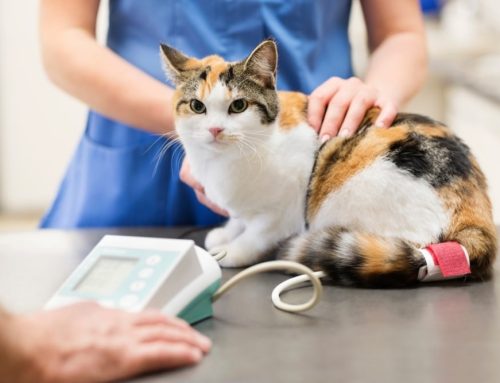
Diagnosis begins with a detailed history and physical exam, followed by laboratory testing to measure serum creatinine, SDMA, and urine concentration. Elevated waste levels or dilute urine suggest declining function. Imaging, including ultrasound, helps evaluate kidney size and structure, while blood pressure monitoring protects against hypertensive complications.
Our feline-exclusive diagnostics align with the IRIS guidelines, ensuring accurate staging and tailored care planning. At Just Cats Clinic, we perform these assessments in a calm, cat-centered environment that minimizes stress and maximizes precision.
Treatment Strategies for Feline CKD
Managing CKD focuses on supporting kidney function, reducing strain, and maintaining hydration and nutrition. Specialized renal diets with controlled phosphorus, moderate protein, and added omega-3 fatty acids form the foundation of therapy.
Hydration is essential; many cats benefit from subcutaneous fluids and wet food diets to maintain circulation and toxin removal. Medications to control blood pressure, manage nausea, stimulate appetite, and balance electrolytes are prescribed as needed.
Our veterinary team provides individualized plans for every patient, including hands-on training for caregivers learning to administer fluids at home. Each plan is adjusted based on lab results and response over time.
Complications of Untreated Kidney Disease
When CKD progresses without management, cats may experience a uremic crisis, a buildup of toxins causing collapse or seizures. High blood pressure can lead to retinal detachment and sudden blindness, while severe anemia contributes to weakness and lethargy. Chronic infections can also develop due to decreased immunity, especially in the urinary tract since the normal urine pH and concentration has changed.
Immediate evaluation through our urgent care service is crucial when these symptoms appear.
Ongoing Feline CKD Care and Home Management
Long-term success depends on collaboration between the cat owner and veterinary team. Monitoring appetite, hydration, litter box output, and weight at home helps guide care adjustments. Many clients keep a journal or take weekly photos to track subtle changes over time.
Regular preventive exams every 3–6 months allow us to review lab results and fine-tune medication, diet, and fluid therapy. This ongoing communication ensures that each cat remains stable and comfortable.
Home-Care Checklist for Feline Kidney Disease
- Encourage fresh water intake with multiple fountains or bowls
- Maintain consistent feeding times using renal-specific diets
- Track urine output and appetite daily
- Provide subcutaneous fluids as prescribed
- Monitor weight and body condition weekly
- Schedule dental cleanings and checkups to prevent oral bacteria strain on kidneys
- Note behavioral or activity changes and report them promptly
Our feline-exclusive team offers tailored guidance for every stage of home management, ensuring that you never have to navigate chronic care alone.

Frequently Asked Questions About Feline CKD
Can kidney disease be cured?
No, CKD is a progressive condition, but treatment can slow its course dramatically and extend quality of life.
How often should lab work be repeated?
Typically every 3–6 months, depending on the disease stage and clinical signs.
Is it difficult to give fluids at home?
Not at all. Our team demonstrates the process and offers follow-up support to ensure both cat and owner are comfortable.
Can diet alone manage CKD?
Diet is critical, but most cats need a combination of medication, hydration, and consistent monitoring for optimal results.
Protecting Your Cat’s Health and Future After a CKD Diagnosis
A CKD diagnosis may feel daunting, but with the right care plan, cats can live comfortably for years after diagnosis. At Just Cats Clinic, our feline-only expertise, advanced diagnostics, and compassionate care help you manage kidney disease with confidence.
If your cat is drinking more, losing weight, or showing subtle changes in appetite or energy, early evaluation is key. Schedule a preventive exam at our AAHA-accredited clinic or contact us today to develop a personalized kidney health plan designed to keep your feline companion thriving.