Why Is My Cat Losing Fur? Understanding Feline Alopecia
Noticing a thinning patch of fur while brushing a cat or seeing them return to the same spot repeatedly to lick or pull at their coat can create immediate concern for many owners. Hair loss often appears gradually, and it is not always clear whether the cause is medical, behavioral, or related to skin discomfort. The good news is that alopecia has a wide range of explanations, and many are highly manageable with the right diagnostic approach. Early evaluation helps identify whether the hair loss is linked to irritation, pain, systemic disease, or stress, and supports a plan that restores comfort and protects long-term skin health.
At Just Cats Clinic in Reston, our feline-only team evaluates coat and skin changes with advanced surgery and diagnostics and a thorough understanding of feline behavior and medical conditions. As an AAHA-accredited, Cat Friendly Practice, we are equipped to assess the underlying causes of alopecia through comprehensive exams and tailored diagnostic testing. If you have noticed new bald patches or grooming changes, our clinicians are available to help guide next steps and determine the most appropriate care plan.
What Is Alopecia and How Does It Develop?
Alopecia refers to partial or complete loss of fur that goes beyond the normal shedding cycle all cats experience. Two primary mechanisms drive feline alopecia: self-induced loss from excessive grooming and spontaneous loss caused by conditions that directly disrupt hair follicles or growth patterns. Self-induced hair loss typically results from a cat attempting to relieve discomfort through licking, chewing, or scratching, which breaks or pulls out fur. Spontaneous alopecia occurs when underlying disease processes affect the skin’s ability to maintain healthy hair growth.
Some cats display obvious signs of irritation such as redness, scaling, or frequent scratching, while others show hair loss as the only visible change. Distinguishing between these two patterns is essential for accurate diagnosis. During preventive exams and care visits, our veterinarians perform thorough skin and coat assessments to determine whether grooming behavior or follicular disruption is responsible for the changes you are observing.
What Are the Most Common Causes of Hair Loss in Cats?
Parasites and External Irritants
Fleas remain one of the most frequent triggers of feline alopecia, even in cats who spend all their time indoors. Flea allergy dermatitis develops when a cat’s immune system reacts intensely to proteins in flea saliva, causing severe itching after just one or two bites. Cats with this condition may groom excessively along the lower back, tail base, and hindquarters, creating patchy or symmetrical hair loss. Mites, lice, and other ectoparasites can also cause irritation that leads to scratching and overgrooming.
Year-round parasite prevention significantly reduces the risk of flea-related dermatitis and other parasitic conditions. Our team emphasizes consistent prevention protocols as part of comprehensive wellness care, particularly because flea infestations can develop rapidly and spread throughout the household. Identifying and eliminating parasites early prevents prolonged discomfort and secondary skin infections.
Fungal Infections
Ringworm is a contagious fungal infection that produces circular patches of hair loss with broken hairs, scaling, and sometimes crusting or redness. Despite its name, ringworm is not caused by a worm but by dermatophyte fungi that invade hair shafts and skin. Young cats, senior cats, and those with compromised immune systems face higher risk, though any cat can develop this infection.
Ringworm spreads easily to other pets and people through direct contact or contaminated surfaces. Diagnosis often involves specialized lighting that causes infected hairs to fluoresce, along with fungal cultures that confirm the specific organism. At Just Cats Clinic, we use diagnostic tools to identify ringworm quickly and implement treatment protocols that include topical and oral antifungal medications, environmental decontamination guidance, and monitoring to ensure complete resolution.
Allergies and Skin Sensitivities
Food allergies, environmental allergens, and contact sensitivities frequently cause itching that leads to overgrooming and hair loss. Cats may react to proteins in their diet, seasonal pollens, dust mites, mold spores, or materials they come into contact with regularly. Allergic reactions typically manifest as red or inflamed skin, particularly around the face, ears, abdomen, and legs, along with persistent licking or scratching.
Diet trials help identify food-related triggers by feeding a novel protein or hydrolyzed diet for eight to twelve weeks while monitoring for improvement. Environmental allergies may require testing to pinpoint specific allergens, followed by avoidance strategies or immunotherapy. Topical therapy including medicated shampoos and conditioners can provide relief while addressing underlying causes. Our clinicians work closely with owners to develop customized management plans that reduce allergic flare-ups.
Endocrine and Hormonal Disorders
Hormonal imbalances disrupt normal hair growth cycles and can produce symmetrical or patchy alopecia. Feline hyperthyroidism, common in older cats, causes increased metabolism, weight loss, and sometimes coat changes. Feline hyperadrenocorticism, though rarer, results from excess cortisol production and may present with thinning skin, hair loss, and increased thirst or urination.
These conditions often involve additional clinical signs beyond alopecia, such as appetite changes, lethargy, or behavioral shifts. Bloodwork panels that measure thyroid hormone levels, cortisol, and other metabolic markers help identify endocrine causes. Our in-house laboratory capabilities and partnership with Idexx Reference Laboratory allow us to obtain comprehensive results efficiently, supporting timely diagnosis and treatment planning for cats with hormonal disorders. For senior cats experiencing hair loss, we recommend preventive exams every six months with annual lab work to detect these conditions early.
Pain and Inflammation
Cats experiencing pain often overgroom as a coping mechanism, licking or chewing at uncomfortable areas until fur thins or skin becomes raw. Arthritis and degenerative joint disease commonly causes overgrooming in older cats, particularly around hips, lower back, and hind legs where joint discomfort concentrates. Dental pain, bladder inflammation, skin infections, and abdominal discomfort from gastrointestinal issues can also trigger excessive grooming as cats attempt to soothe themselves. Many owners mistake this behavior for simple stress or poor grooming habits, delaying the medical care that could relieve the underlying pain. If your cat is overgrooming or developing bald patches, a thorough veterinary examination can identify whether pain is the hidden cause and guide appropriate treatment to restore comfort.
Autoimmune and Less Common Conditions
Rare causes of alopecia include autoimmune diseases where the immune system attacks hair follicles, hereditary conditions present from birth, and congenital disorders affecting hair development. Sebaceous adenitis involves inflammation of sebaceous glands that disrupts normal skin function. Hereditary alopecia may affect specific breeds or bloodlines, causing progressive hair loss that begins early in life.
Diagnosing these conditions often requires skin biopsies, specialized testing, and consultation with veterinary dermatologists. Some cases need long-term management rather than complete resolution. Our team coordinates referrals when advanced diagnostics or subspecialty expertise will benefit your cat’s care, and we can perform skin biopsies onsite to facilitate accurate diagnosis.
Behavioral and Stress-Related Hair Loss
Psychogenic alopecia occurs when cats overgroom due to anxiety, environmental changes, or chronic stress. Common triggers include moving to a new home, adding or losing household members, changes in routine, or conflict with other pets. However, research indicates that most cats initially diagnosed with behavioral hair loss actually have underlying medical conditions causing discomfort.
Ruling out physical causes through thorough examination and testing is essential before attributing alopecia to stress alone. When behavioral factors are confirmed, addressing feline life stressors through environmental enrichment, predictable routines, and sometimes anti-anxiety medications helps reduce compulsive grooming. Our Cat Friendly Practice approach includes behavioral counseling to support cats experiencing stress-related conditions. We utilize synthetic feline facial pheromones throughout our facility and can provide guidance on creating a calming home environment that reduces stress-induced grooming behaviors.
How Is the Cause of Alopecia Diagnosed?
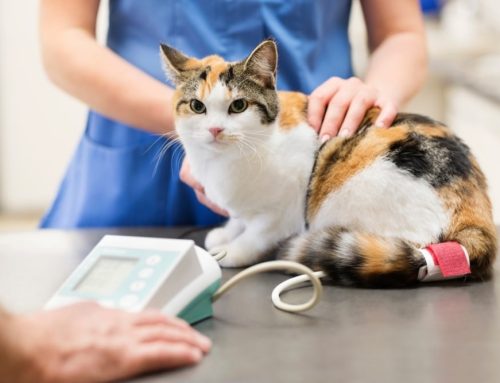
Accurate diagnosis begins with a detailed history covering your cat’s diet, living environment, grooming habits, recent household changes, and the timeline of hair loss development. Our veterinarians perform complete physical examinations that assess skin texture, coat quality, distribution of hair loss, presence of parasites, and signs of inflammation or infection.
Diagnostic testing is tailored to findings from the history and exam:
- Skin scrapings detect mites and other microscopic parasites
- Fungal cultures identify ringworm and determine appropriate antifungal therapy
- Bloodwork panels screen for metabolic and hormonal disorders
- Diet trials isolate food allergies through controlled feeding protocols
- Skin biopsies evaluate autoimmune conditions and rare dermatologic diseases
This systematic approach allows us to identify root causes efficiently and avoid unnecessary treatments. Our AAHA-accredited facility maintains rigorous standards for diagnostic quality, ensuring reliable results that guide effective treatment plans. We offer onsite digital radiographs, ultrasound services, and limited in-house labs, with most comprehensive laboratory results available within 24 to 48 hours through our partnership with Idexx Reference Laboratory.

What Treatment Options Are Available?
Treatment depends entirely on the underlying cause of alopecia. Antiparasitic medications eliminate fleas, mites, and lice, while antifungal therapy addresses ringworm through topical and oral medications combined with environmental cleaning. Dietary modifications and allergen avoidance strategies manage food and environmental allergies, sometimes supplemented with medications that reduce immune system overreactivity.
Hormone replacement or regulation treats endocrine disorders such as hyperthyroidism or hyperadrenocorticism. Behavioral modification combined with environmental enrichment supports cats with stress-related overgrooming, particularly when paired with pheromone diffusers or anti-anxiety medications if needed.
Secondary skin infections require antimicrobial therapy to prevent complications. Pain management and anti-inflammatory medications provide comfort during healing. Regular grooming helps maintain coat health and allows early detection of new problems. Some conditions resolve within weeks, while others need ongoing management with periodic monitoring visits.
Our treatment protocols are individualized based on diagnostic findings, your cat’s overall health, and practical considerations for home care. Follow-up appointments track progress and adjust therapies as needed to optimize outcomes. For cats with dermatological issues related to inflammation, we offer therapy laser treatment, which reduces inflammation and increases healing speed through non-invasive Class IV laser therapy that many cats find relaxing.
Your Partner in Feline Dermatologic Health
Alopecia has numerous treatable causes, and early veterinary evaluation leads to better outcomes and faster resolution. Our feline-focused team at Just Cats Clinic brings specialized knowledge of dermatologic conditions, advanced diagnostic capabilities, and treatment protocols designed specifically for cats. Whether your cat’s hair loss stems from parasites, allergies, hormonal imbalances, or behavioral factors, we provide comprehensive care that addresses both immediate symptoms and underlying health concerns. Contact us at the first sign of hair loss, unusual grooming patterns, or skin changes so we can develop a personalized care plan that restores your cat’s comfort and coat health.