Swollen Lymph Nodes in Cats: Infection, Inflammation, or Something More?
What Does It Mean When You Feel a Lump on Your Cat?
You are scratching your cat behind the ears after a long day, and your fingers brush over something that was not there before: a small, firm bump under their jaw. Your mind immediately goes to the worst-case scenario, and that is completely understandable. But an enlarged lymph node can mean a lot of different things, and many of them are treatable and manageable once you know what you are dealing with.
Lymph nodes swell when your cat’s immune system is actively responding to something happening in the body. That could be a minor dental infection, a healing wound, or yes, sometimes something more serious. The important thing is not to panic, but to get it checked so you have answers instead of anxiety.
At Just Cats Clinic in Reston, VA, this is exactly the kind of concern we are built for. Our entire practice is dedicated to feline health, and our facility is designed from the ground up for cat comfort. We use our comprehensive diagnostic services to investigate methodically, and we walk you through every finding and treatment option in plain language. If you have noticed a new lump or something feels different about your cat, schedule an appointment and let us take a look.
What Are Lymph Nodes, and What Do They Actually Do?
Lymph nodes are small, bean-shaped structures scattered throughout your cat’s body. They are part of the lymphatic system, which carries a fluid called lymph that moves immune cells around and helps filter out bacteria, viruses, and other foreign material. Think of lymph nodes as checkpoints where your cat’s immune system inspects what is circulating and decides whether to mount a response.
When something triggers the immune system in a particular area, the nearest lymph node often swells because it is working harder, producing more white blood cells and filtering more fluid. That swelling is called lymphadenopathy, and when lymph node inflammation occurs, the nodes produce more white blood cells and filter increased amounts of fluid carrying infectious agents or abnormal cells. Lymphadenopathy is a sign that something is going on, not a diagnosis in itself.
Knowing where lymph nodes are located on your cat’s body helps you understand what area might be affected. A guide to cat lymph node locations can help you connect what you are feeling to the region it drains; we’re happy to demonstrate finding the lymph nodes during your next visit. Staying current with preventive exams and care gives us a baseline so we can spot changes early.
What Causes Lymph Nodes to Swell in Cats?
The causes fall into a few broad categories: infections (bacterial, viral, fungal, or parasitic), inflammation from tissue injury or irritation, immune-mediated conditions, and cancer. A single enlarged node may point to a localized problem like a dental infection or wound, while multiple enlarged nodes across the body suggest something systemic.
Early evaluation matters because the cause determines the treatment, and some conditions respond much better when caught early.
What Infections Cause Enlarged Lymph Nodes?
Infections are some of the most common reasons we see lymph node swelling in cats. The good news is that most infectious causes are treatable once identified.
Dental Disease and Tooth Root Abscesses
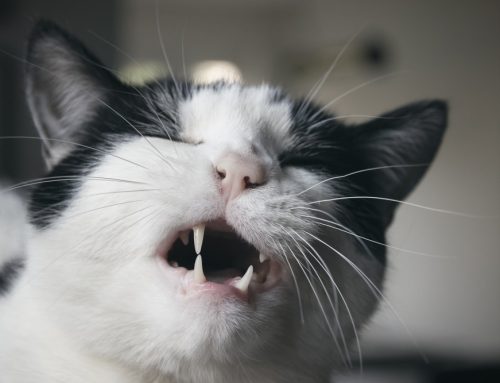
Dental disease is one of the top reasons cats come in with enlarged lymph nodes under the jaw, and it is far more common than most owners realize. When bacteria invade the tooth root, tooth root abscesses develop, creating a painful pocket of infection that drains directly into the nearby lymph nodes. Signs to watch for include drooling, difficulty eating or chewing on one side, facial swelling, bad breath, and pawing at the mouth. The tricky part is that cats are very good at hiding oral pain, so the swollen lymph node under the jaw may actually be the first clue that something is wrong in the mouth.
Skin Abscesses and Bite Wounds
Cat abscesses are another frequent cause of regional lymph node swelling. They commonly develop after bite wounds from fights or rough play, where bacteria get pushed deep into the tissue and create a pocket of infection. This is especially common in cats who go outdoors or live with other cats in households where scuffles happen.
You might notice a painful swelling that may eventually rupture and drain, along with fever, lethargy, and enlarged lymph nodes in the area closest to the wound. These infections respond well to treatment but do need veterinary attention to heal properly.
Bartonella (Cat Scratch Disease)
Bartonella is a bacterial infection spread by fleas that most people associate with “cat scratch disease” in humans, but it also affects cats directly. Cats carrying Bartonella may show lymph node swelling, fever, lethargy, and eye inflammation, though some infected cats show no symptoms at all and act as silent carriers. Flea prevention is the most effective way to reduce Bartonella risk, and testing is available if we suspect it is contributing to your cat’s lymph node enlargement.
Toxoplasmosis
Toxoplasmosis is caused by a microscopic parasite called Toxoplasma gondii. Most healthy cats who are exposed show no symptoms at all, but cats with weakened immune systems can develop clinical disease that includes lymph node swelling, fever, lethargy, loss of appetite, and eye or respiratory problems. Toxoplasmosis is also a zoonotic concern (meaning it can affect people), which is why we take it seriously and test for it when the clinical picture fits.
Fungal Infections
While less common in our area, fungal diseases are worth mentioning because they can cause significant lymph node enlargement, especially in cats with compromised immune systems. Certain systemic fungal infections trigger widespread lymphadenopathy and can mimic other serious conditions, which is why diagnostic testing is so important for getting the right answer.
Tick-Borne Diseases
Tick-borne diseases in cats are less common than in dogs, but they do occur and can cause lymph node swelling along with other systemic symptoms. In northern Virginia, seasonal wildlife activity and wooded areas increase tick exposure, which is one of the reasons we recommend year-round parasite prevention for all cats, even indoor cats who might encounter a hitchhiking tick.
Can Viral Infections Cause Swollen Lymph Nodes?
Yes, and some of the most important feline viral diseases are associated with lymph node enlargement.
Feline Leukemia Virus (FeLV)
Feline leukemia virus is one of the most significant infectious diseases in cats. It suppresses the immune system and can lead to lymphoma and other cancers. Cats with FeLV may develop enlarged lymph nodes as the virus affects the immune system or as secondary infections and cancers develop. FeLV is spread through close contact with infected cats, including mutual grooming, shared food bowls, and bite wounds. Vaccination and testing are the cornerstones of prevention, and we screen for FeLV as part of our routine workups.
Feline Immunodeficiency Virus (FIV)
Feline immunodeficiency virus affects the immune system gradually over time, and generalized lymph node enlargement is one of the hallmark early signs. Many cats with FIV live comfortably for years with proper care, but the immune suppression makes them more vulnerable to secondary infections that can also trigger lymphadenopathy. FIV is primarily spread through bite wounds, which is why outdoor cats and cats with a history of fighting are at higher risk.
Feline Infectious Peritonitis (FIP)
Feline infectious peritonitis is caused by a mutation of the feline coronavirus and can cause lymph node enlargement as part of its systemic inflammatory process. FIP has historically been one of the most heartbreaking diagnoses in feline medicine, but treatment options have improved significantly in recent years. If we suspect FIP, we discuss the full picture with you, including current treatment possibilities and what to expect.
Could Cancer Be the Reason?
Cancer is the possibility that worries most owners, and we take it seriously. The most common cancer affecting lymph nodes in cats is lymphoma.
Recognizing Warning Signs
Watch for general cancer signs in pets that may appear alongside lymph node enlargement:
- Unexplained weight loss
- Decreased energy or increased hiding
- Changes in appetite or drinking habits
- Vomiting or diarrhea
- Difficulty breathing
- New lumps or swellings anywhere on the body
Cats are masters at masking illness, so even subtle changes in routine or behavior are worth noting.
Understanding Feline Lymphoma
Lymphoma in cats can take several forms: multicentric (affecting multiple lymph node groups), alimentary (in the gastrointestinal tract), mediastinal (in the chest), and extranodal (in organs like the kidneys, eyes, or skin). FeLV-positive cats have a significantly higher risk of developing lymphoma, which is another reason testing and prevention matter so much.
What Else Can Cause Lymph Node Swelling?
Less common causes include immune-mediated disorders, allergic reactions, drug hypersensitivity, and vaccine reactions that create temporary swelling. Autoimmune conditions can drive ongoing immune activation, and lymphatic obstruction or abnormalities can lead to fluid-related swelling. Our clinicians use a stepwise approach with targeted testing through our in-house capabilities for surgery and diagnostics.

How Do We Figure Out What Is Causing It?
When you bring your cat in with an enlarged lymph node, our goal is to move efficiently from concern to clarity. Here is what the diagnostic process typically looks like.
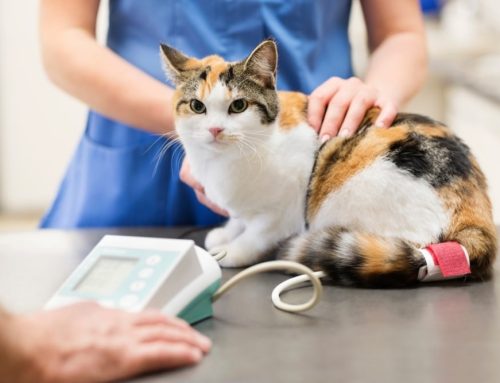
Step 1: Physical exam and history. We palpate all accessible lymph nodes to assess size, texture, firmness, and whether the swelling is localized or widespread. We also check for fever, weight changes, oral disease, skin wounds, and signs of organ involvement.
Step 2: Baseline bloodwork and urinalysis. These help us evaluate organ function, check for infection or inflammation, and screen for viral diseases like FeLV and FIV.
Step 3: Fine-needle aspiration. This is a quick, minimally invasive procedure where we collect cells from the enlarged node using a small needle. The sample goes under the microscope for cytology, which often gives us a preliminary answer the same day.
Step 4: Imaging. Radiographs or ultrasound help us see whether internal lymph nodes are enlarged and check for masses or organ changes that are not visible from the outside.
Step 5: Biopsy (when needed). If cytology is inconclusive or we suspect small-cell lymphoma or early infiltrative disease, a tissue biopsy provides the architectural detail that cytology cannot. Additional tools like flow cytometry or PCR testing may be used in complex cases.
What Does Treatment Look Like?
Treatment depends entirely on what we find.
For infections and inflammatory causes:
- Targeted antibiotics or antifungals based on culture and sensitivity results
- Wound care and abscess management for bite wound infections
- Dental procedures when oral disease is driving the lymph node enlargement
- Antiviral or supportive care for viral infections like FIV and FeLV
For lymphoma or other cancers:
- Chemotherapy protocols (multi-agent or single-agent, depending on the lymphoma type and your cat’s overall health)
- Steroids in specific situations, with an honest discussion of benefits and trade-offs
- Palliative care focused on comfort, appetite, and quality of life
When procedures are needed, our AAHA-accredited team coordinates care and we involve you in every decision.
How Do We Track Progress After Treatment Starts?
Follow-up visits are essential for confirming that treatment is working, catching any changes early, and fine-tuning the plan. At home, you can help by gently checking the area where you first noticed swelling once a week, keeping an eye on appetite and energy levels, and noting any new lumps or behavioral changes.
Our preventive exams and care visits keep the bigger picture in focus so we can spot shifts before they become problems. For time-sensitive concerns, our urgent cat care hours provide access to evaluation and stabilization on weekends and weekday evenings. We also offer emergency care during our regular hours- please call first so we can give you guidance.
Why Does a Cat-Only Practice Matter for This?
When your cat has an enlarged lymph node, the environment where they are evaluated matters more than you might think.
- Feline expertise: Our clinicians are dedicated to cat medicine and trained to recognize subtle feline signs that a mixed practice might overlook.
- Low-stress setting: Our facility is purpose-built for cats as a Cat Friendly Practice, with no barking dogs in the lobby and handling techniques designed to keep your cat calm.
- High standards: As an AAHA-accredited hospital since 2014, we maintain rigorous protocols for diagnostics, anesthesia, pain management, and patient care.
- Collaborative care: Our team includes professionals with advanced feline training, and we coordinate with trusted referral partners for oncology and emergency needs when indicated.
You Felt Something, and That Matters
Finding a lump on your cat is scary, but noticing it is actually the best thing you could have done. Early detection gives us the most options and the best chance of a good outcome, no matter what the cause turns out to be. Whether it is a dental infection, a healing wound, a viral condition, or something that needs more advanced care, there is a clear path forward once we know what we are dealing with.
If you have noticed a new lump, a change in your cat’s energy or appetite, or something that just does not seem right, please contact our hospital. We are here to turn worry into a plan.