How to Tell if Your Cat’s Allergic Reaction Is Serious
Allergic reactions in cats range from mildly irritating to acutely life-threatening, and the distinction matters enormously. Hives and rashes are uncomfortable but rarely dangerous, typically presenting as raised, itchy welts beneath the coat and resolving with medications and supportive care. Anaphylaxis is an entirely different situation: a rapid, systemic immune response that can cause respiratory distress, cardiovascular collapse, and death within minutes of exposure to a trigger like an insect sting. Identifying the difference, understanding common triggers, and knowing when to seek immediate care are among the most critical things a cat owner can know.
Just Cats Clinic in Reston, VA is a feline-only, Certified Cat-Friendly, AAHA-accredited practice with the diagnostic capabilities and clinical expertise to evaluate and manage allergic conditions across the full spectrum of severity. From emergency care for acute anaphylactic events to thorough workups for cats with recurrent reactions, our entire team is trained exclusively in feline medicine, meaning nothing here is translated from a dog-first perspective. Reach out to discuss your cat’s history or schedule an evaluation.
What Triggers Allergic Reactions in Cats?
The immune system is designed to protect against genuine threats. In allergic cats, it mounts that same response against substances that are largely harmless, producing symptoms that range from localized skin irritation to a full systemic crisis. Not every itchy cat has fleas, and it is worth knowing that an itchy cat can have several non-flea causes, including food allergy, environmental sensitivity, and contact reactions. Cat skin allergies are more common than many owners realize, and identifying the trigger early makes management far more effective.
Common trigger categories include:
- Environmental allergens: Pollen, dust mites, mold spores, and household chemicals are among the most frequent culprits. Feline atopic skin syndrome is the term for environmental allergies in cats, causing year-round or seasonal symptoms depending on the source. The Reston area’s humid summers and high tree pollen counts can be particularly problematic for sensitive cats.
- Insect bites and stings: Flea saliva is one of the most common allergen sources in cats, but bees, wasps, and other insects can also provoke reactions. Insect bites and stings in cats range from localized swelling to, in rare cases, anaphylaxis.
- Food proteins: Certain ingredients, particularly chicken, beef, and fish, can provoke immune reactions. Food allergies in cats are best identified through structured elimination diet trials rather than guesswork.
- Medications and vaccines: Reactions to these are less common but do occur and require careful documentation and management going forward.
At Just Cats Clinic, allergy workups begin with a detailed history. Knowing what your cat has recently eaten, encountered, or been exposed to gives our team important context for identifying the likely trigger and building a targeted management plan. Our diagnostic capabilities allow for thorough evaluation when the cause is unclear.
What You Should Know About Vaccine and Medication Reactions
Reactions to vaccines and medications are uncommon, but they do occur and require awareness. Most vaccination reactions are mild, presenting as injection site tenderness, brief lethargy, or a low-grade fever that resolves within 24 hours. More significant reactions, including facial swelling, vomiting, or behavioral changes, typically appear within the first few hours after vaccination, though some can develop up to 48 hours later.
Cats with a prior history of vaccine reactions may benefit from premedication with antihistamines before future vaccines, evaluated on a case-by-case basis. Close monitoring for two days following any new vaccine or medication is prudent. If vomiting, diarrhea, facial swelling, or breathing changes develop, contact us immediately.
Sharing your cat’s complete medical history with our team, including any prior reactions, allows for personalized vaccine scheduling that maintains protective immunity while reducing risk. This is exactly the kind of individualized care that our preventive exams and care program is designed to support.
From Hives to Anaphylaxis: Understanding the Spectrum of Reactions
How Do Mild and Severe Reactions Differ?
Not all allergic reactions follow the same pattern, and the speed of onset is often the most telling indicator of severity.
Generalized itchiness is a common first symptom of any allergy. Overgrooming, excessive scratching, scabby bumps, and licking all point to an allergy to something, but figuring out what can be a challenge. This usually doesn’t require urgent care unless your cat is scratching or licking to the point that they are self-traumatizing.
Hives and rashes in cats, also called urticaria, represent a localized allergic response. They appear as raised, firm welts beneath the coat, often causing intense itching, facial swelling around the eyes or muzzle, and restlessness. While uncomfortable, hives typically respond well to antihistamines and supportive care and do not carry the same immediate danger as more systemic reactions.
Respiratory symptoms, including asthma and chronic bronchitis, typically progress more gradually and occupy the middle ground between hives and anaphylaxis. Sneezing, coughing, and labored breathing are worth addressing promptly but rarely require emergency intervention unless breathing becomes significantly compromised.
Severe allergic reactions in cats, including anaphylaxis, sit at the far end of the spectrum. Anaphylaxis is a whole-body immune response that can develop within minutes of allergen exposure. Blood pressure drops sharply, airways narrow, and oxygen delivery to vital organs is compromised. Without prompt veterinary treatment, it can be fatal. The speed at which symptoms develop and the involvement of multiple body systems simultaneously are the clearest signals that a reaction has crossed from mild to life-threatening.
Just Cats Clinic offers same-day urgent care appointments for cats showing excessive itchiness, respiratory symptoms, or other allergy symptoms. If you think your cat is experiencing anaphylaxis, call us before coming in so we can prepare. We’re available for emergencies during our open hours; after hours, go to your nearest 24/7 emergency facility.
How Cat Allergies Show Up on the Skin
Cats have a limited number of ways to express skin discomfort, which means allergic reactions often produce a recognizable set of patterns that a veterinarian can use to narrow down the cause.
Miliary Dermatitis
Miliary dermatitis is one of the most common presentations of allergic skin disease in cats. It appears as tiny, scabby bumps scattered across the coat, most often along the back and neck, and is almost always intensely itchy. Flea allergy is the most common underlying cause, though food and environmental allergens can produce the same pattern.
Eosinophilic Granuloma Complex
Eosinophilic granuloma complex (EGC) is a group of skin conditions in cats that includes raised plaques, shallow sores on the lips or skin, and swollen lower lips. EGC looks alarming but is typically a sign of underlying allergy rather than infection. Identifying and addressing the trigger is the most important step in resolving it.
Overgrooming and Hair Loss
Cats in discomfort often cope by grooming excessively, and overgrooming in cats is a common but frequently missed sign of allergic disease. The result is alopecia, or hair loss, usually along the belly, inner thighs, and flanks. Because the hair loss is self-inflicted, it can be easy to assume the cat is shedding normally rather than pulling out their coat from irritation.
What Are the Warning Signs of a Severe Allergic Reaction?
Recognizing the difference between a reaction that needs monitoring and one that needs immediate care is critical.
Common allergy symptoms to watch for:
- Mild facial swelling around the eyes, muzzle, or ears
- Sudden, intense scratching or licking
- Raised welts or bumps beneath the coat
- Red or watery eyes
- Vomiting or diarrhea shortly after a new exposure
- Restlessness or agitation
These symptoms warrant a prompt call to the clinic and close monitoring.
Emergency symptoms requiring immediate veterinary attention:
- Labored, rapid, or shallow breathing
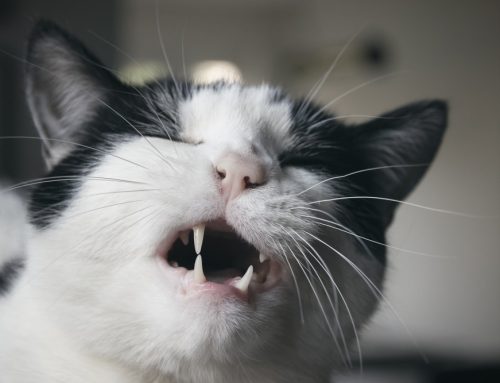
- Open-mouth breathing, which is always abnormal in cats and signals respiratory distress
- Collapse or sudden extreme weakness
- Pale, white, or bluish gums
- Severe swelling of the face, throat, or tongue
- Vomiting or diarrhea persisting beyond an hour, especially in combination with other symptoms
- Weak or racing pulse
If your cat is showing any combination of these signs, do not wait to see if things improve. Call our urgent care line immediately or head directly to the nearest emergency facility.
What to Do at Home While Seeking Care
Acting quickly and calmly in the first few minutes of a reaction can make a meaningful difference. Here is a practical sequence to follow while you arrange veterinary care:
- Remove the suspected allergen if possible. If your cat came into contact with a substance on the skin, rinse the area with cool water. Avoid soaps or products unless a veterinarian directs you otherwise.
- Keep your cat still and calm. Physical activity increases circulation, which can accelerate the spread of inflammatory mediators through the body.
- Prevent self-trauma. If your cat is scratching intensely at the face or skin, an Elizabethan collar reduces the risk of secondary skin damage while you seek care.
- Document what you observed. Note the approximate time symptoms started, any recent foods, medications, or environmental exposures, and how symptoms have changed since you first noticed them. Photographs of swelling or skin changes are extremely useful for our team.
- Call before administering any medications. Some antihistamines are safe for cats at specific doses, but others contain ingredients that are toxic to them. Never give your cat a human antihistamine without direct guidance from a veterinarian who knows your cat’s history and weight.
When in doubt, contact us for phone guidance while you are preparing to come in.
How Are Emergency Allergic Reactions in Cats Treated?
Emergency treatment for anaphylaxis includes epinephrine to counter the immune response, corticosteroids to reduce systemic inflammation, intravenous fluids to support blood pressure, and oxygen supplementation for respiratory distress. Less severe reactions may be managed with antihistamines and close monitoring.
Most cats with mild to moderate reactions recover fully with appropriate treatment. Severe anaphylaxis cases may require hospitalization and extended monitoring. Occasionally, cats can recover from a severe reaction only to have it reappear again in the next 24-72 hours, called a “biphasic” reaction. We offer weekend overnight hospitalization in case cats need a closer eye monitoring their recovery.
How to Reduce the Risk of Future Reactions
Prevention begins with understanding your cat’s specific sensitivities and building habits that minimize exposure.
Flea prevention is non-negotiable for allergic cats. Flea allergy dermatitis can be triggered by a single bite in a sensitized cat, and symptoms can be severe and prolonged even after the flea is gone. The only effective strategy is ensuring fleas never get the opportunity. Year-round prevention is strongly recommended, even for indoor cats. Our pharmacy carries a range of feline flea and tick prevention options appropriate for your cat’s lifestyle.
Advanced prevention options include allergy testing through blood panels or intradermal skin testing, followed by immunotherapy to gradually desensitize the immune system to identified triggers. This approach is especially useful for cats with year-round environmental allergies that are difficult to avoid.
For cats with known severe reactions, particularly to insect stings, we may discuss whether keeping emergency epinephrine on hand is appropriate for your household. This is a case-by-case decision made in consultation with our team based on your cat’s history and reaction severity.
Managing Food and Environmental Allergies at Home
When food allergy is suspected, the gold standard for identification is a structured elimination diet trial lasting 8 to 12 weeks. The trial requires feeding a novel or hydrolyzed protein diet exclusively, with no other foods, treats, or flavored medications during the trial period. Improvement during the trial followed by a return of symptoms when the original diet is reintroduced confirms food allergy as the cause.
For cats with environmental sensitivities, household modifications can make a meaningful difference. HEPA filtration vacuums trap fine particulate matter that standard vacuums recirculate. Washing bedding weekly in hot water reduces dust mite and pollen accumulation. Maintaining indoor humidity between 30 and 50 percent limits mold growth.
Topical therapies containing omega fatty acids can improve the skin barrier and reduce the severity of reactions when used consistently. Our pharmacy carries options including CeraSoothe with Pramoxine Shampoo and CeraSoothe with Pramoxine Mousse for sensitive, reactive skin.
Allergies frequently affect the ears, and secondary ear infections are common in cats with recurrent reactions. Routine ear cleaning in cats with a veterinarian-approved solution helps prevent bacterial and yeast overgrowth that can follow chronic inflammation.

Frequently Asked Questions About Allergic Reactions in Cats
When should I go directly to emergency care?
Seek emergency care immediately for any breathing difficulty, rapidly spreading facial or neck swelling, collapse, pale or blue gums, or persistent vomiting and diarrhea lasting more than an hour. These signs indicate a systemic emergency.
Can I give my cat a human antihistamine?
Not without direct guidance from your veterinarian. Some antihistamines are safe for cats at specific doses, but others contain ingredients such as decongestants that are toxic to them. If your cat has recurrent reactions, ask us to establish a safe medication and dosing plan in advance so you are prepared.
How do I prevent flea-triggered reactions?
Year-round flea prevention is the most effective strategy. Even strictly indoor cats can be exposed, and a single bite can be enough to trigger a significant reaction in a sensitized cat.
How is a food allergy confirmed?
Through an elimination diet trial using a novel or hydrolyzed protein diet for 8 to 12 weeks, with no other foods or treats. Symptom improvement during the trial and return of symptoms when the original food is reintroduced confirms food allergy.
Partnering with Just Cats Clinic to Keep Your Cat Safe
Allergic reactions, whether they produce a patch of hives or a life-threatening anaphylactic event, deserve prompt and accurate veterinary attention. The warning signs that warrant immediate action are rapidly spreading facial swelling, worsening breathing, collapse, and persistent vomiting or diarrhea. These should never be observed and waited out.
We are equipped to handle the full spectrum of allergic presentations, from same-day phone guidance to emergency stabilization and long-term allergy management.
If your cat has experienced a reaction, is showing signs of a new one, or if you simply want to establish a prevention plan before something happens, contact us directly. You do not need to have all the answers before reaching out. That is what we are here for.